












Ecuador vs Kenya
Crypto regulation comparison
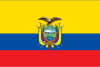
Ecuador
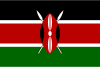
Kenya
Partially Regulated
No Regulation
Ecuador has a complex relationship with cryptocurrency. A 2014 National Assembly resolution banned Bitcoin as legal tender, and the Central Bank prohibits financial institutions from dealing in crypto. However, private ownership and trading of crypto are not explicitly illegal, and peer-to-peer usage exists.
Kenya has no comprehensive cryptocurrency legislation, though it is one of Africa's leading crypto markets by adoption. The Central Bank has issued warnings but no formal ban. Kenya's 2023 Finance Act introduced a 3% Digital Asset Tax on income from digital asset transfers, signaling growing regulatory attention.
Tax Type
Unclear
Tax Type
Varies
Tax Rate
N/A
Tax Rate
1.5-3% (proposed digital asset tax)
Exchanges
Yes
Exchanges
Yes
Mining
Yes
Mining
Yes
Regulator
Banco Central del Ecuador, Superintendencia de Bancos
Regulator
CBK (Central Bank of Kenya), CMA (Capital Markets Authority)
Stablecoin Rules
No specific stablecoin regulation
Stablecoin Rules
No specific stablecoin regulation
Key Points
- 2014 resolution prohibits crypto from being used as legal tender
- Central Bank bans financial institutions from facilitating crypto transactions
- Private ownership and P2P trading exist in a legal gray area
- Ecuador uses the US dollar as its official currency, limiting monetary policy tools
- No comprehensive crypto regulatory framework in place
Key Points
- No specific cryptocurrency legislation, but the 2023 Finance Act introduced a 3% Digital Asset Tax
- CBK has issued multiple warnings about crypto but has not imposed a ban
- CMA considering a framework for digital asset regulation
- Kenya consistently ranks among the top countries globally for crypto adoption (P2P volume)
- M-Pesa mobile money dominance shapes how Kenyans access crypto via P2P exchanges