












Central African Republic vs Malaysia
Crypto regulation comparison
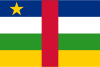
Central African Republic
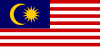
Malaysia
Legal
Legal
The Central African Republic briefly adopted Bitcoin as legal tender in 2022 under the 'Sango' project, but this was struck down by the Constitutional Court. Crypto remains legal but the legal tender status was reversed.
Cryptocurrency is legal and regulated in Malaysia. The Securities Commission oversees digital asset exchanges (DAX) and initial exchange offerings under the Capital Markets and Services (Prescription of Securities) Order 2019. Only SC-approved exchanges can operate. Malaysia does not impose capital gains tax on crypto for individuals, though frequent trading may be classified as business income.
Tax Type
None
Tax Type
None
Tax Rate
N/A
Tax Rate
0%
Exchanges
Yes
Exchanges
Yes
Mining
Yes
Mining
Yes
Regulator
BEAC (Bank of Central African States)
Regulator
SC (Securities Commission Malaysia), BNM (Bank Negara Malaysia)
Stablecoin Rules
No specific stablecoin regulation
Stablecoin Rules
Digital assets on approved exchanges only; stablecoins not separately regulated
Key Points
- Bitcoin was briefly adopted as legal tender in 2022 via the Sango Act
- Constitutional Court struck down the legal tender provision
- Crypto trading and holding remain legal
- BEAC opposed the Bitcoin legal tender move
- Sango crypto hub project launched but has faced significant challenges
Key Points
- Digital asset exchanges must be registered and approved by the Securities Commission
- Only approved tokens can be listed on registered exchanges (e.g., BTC, ETH, XRP on approved list)
- No capital gains tax for individuals; frequent trading may be treated as business income
- BNM regulates crypto for AML/CFT purposes under the Anti-Money Laundering Act
- IEOs must be conducted through SC-approved platforms