












Crypto for Freelancers: How to Get Paid in Stablecoins October, 2026
You did the work. The client is abroad. The bank wants a wire fee, a bad exchange rate, and five days.
There is another way. Ask to be paid in stablecoins.
The Short Answer
A stablecoin is a crypto coin that tracks a currency, usually the US dollar. You send a wallet address on an invoice. The client sends USDC or USDT. It arrives in minutes. You keep it, or you cash it out to your bank.
It is not magic. You need a wallet, a network, a cash-out route, and a plan for tax. This guide covers all four.
By the Numbers
Numbers do not comfort anyone. But they do tell you what is normal. Here is what the data says. Feel free to quote it. Link back when you do.
• 35%. The average share of annual income that freelancers, gig workers and sellers who accept stablecoins receive that way. (BVNK and YouGov, 2026 survey of 4,658 adults in 15 countries)
• About 40%. The average fee saving they report compared with traditional payment services. (BVNK and YouGov, 2026)
• 56%. Of stablecoin holders in that survey plan to increase their use in 2026. (BVNK and YouGov, 2026)
• 57%. Of more than 2,300 independent workers in 20 countries said they would accept stablecoin payouts if platforms offered them. (Stripe, August 2026)
• 49%. Of freelancers in a 2024 survey of 2,500 said payout fees are too high. (Zero Hash and Lightspark)
• About 59% and 24%. The market share of USDT and USDC in mid-2026. Pick the one your client and your exchange both support. (DefiLlama via Transak)
The honest read: demand is real. Plenty of freelancers want this. But these surveys are run by firms that sell stablecoin tools. Treat the numbers as a signal, not a verdict.
Why Freelancers Use Stablecoins
• Speed. Payments often arrive in minutes, not days.
• Lower fees. On a cheap network, the cost is small next to a wire.
• No price swings. A dollar stablecoin is meant to stay at a dollar.
• Reach. Clients in other countries can pay without a bank in common.

The Risks, Stated Plainly
• Depegging. A stablecoin can lose its peg. USDC briefly fell below one dollar in March 2023 when a bank holding some of its reserves failed. It recovered. It could happen again.
• Issuer control. Companies that issue stablecoins can freeze addresses. It is rare. It is real.
• Cash-out friction. Turning stablecoins into local money takes a step, and sometimes a fee.
• Human error. Wrong network. Wrong address. Fake payment screenshots.
• Tax and rules. Your country may treat this as income. See below.
Step One: Set Up a Place to Receive
You have two main choices.
An exchange account. Easy for beginners. You get a deposit address for USDC or USDT. You can sell to local currency inside the same app. The exchange holds your coins, so you rely on its security.
A self-custody wallet. You hold the keys. You write down the seed phrase and keep it safe. Nobody can freeze it but the issuer. It takes more care. See our wallets list.
Many freelancers use both. A wallet for what they keep. An exchange for what they cash out.
Step Two: Choose the Coin and the Network
The two big names are USDC and USDT. Which one is easier depends on where you live and what your client uses. Some exchanges list one and not the other in certain regions.
Then pick the network. Pick one your client's wallet or exchange supports, and that costs little. Tron, Solana, and Ethereum layer 2s are common for cheap transfers. Ethereum costs more. Read our guide to the three USDT networks before you decide.
Rule one: the network on your invoice must match the network the client uses to pay.
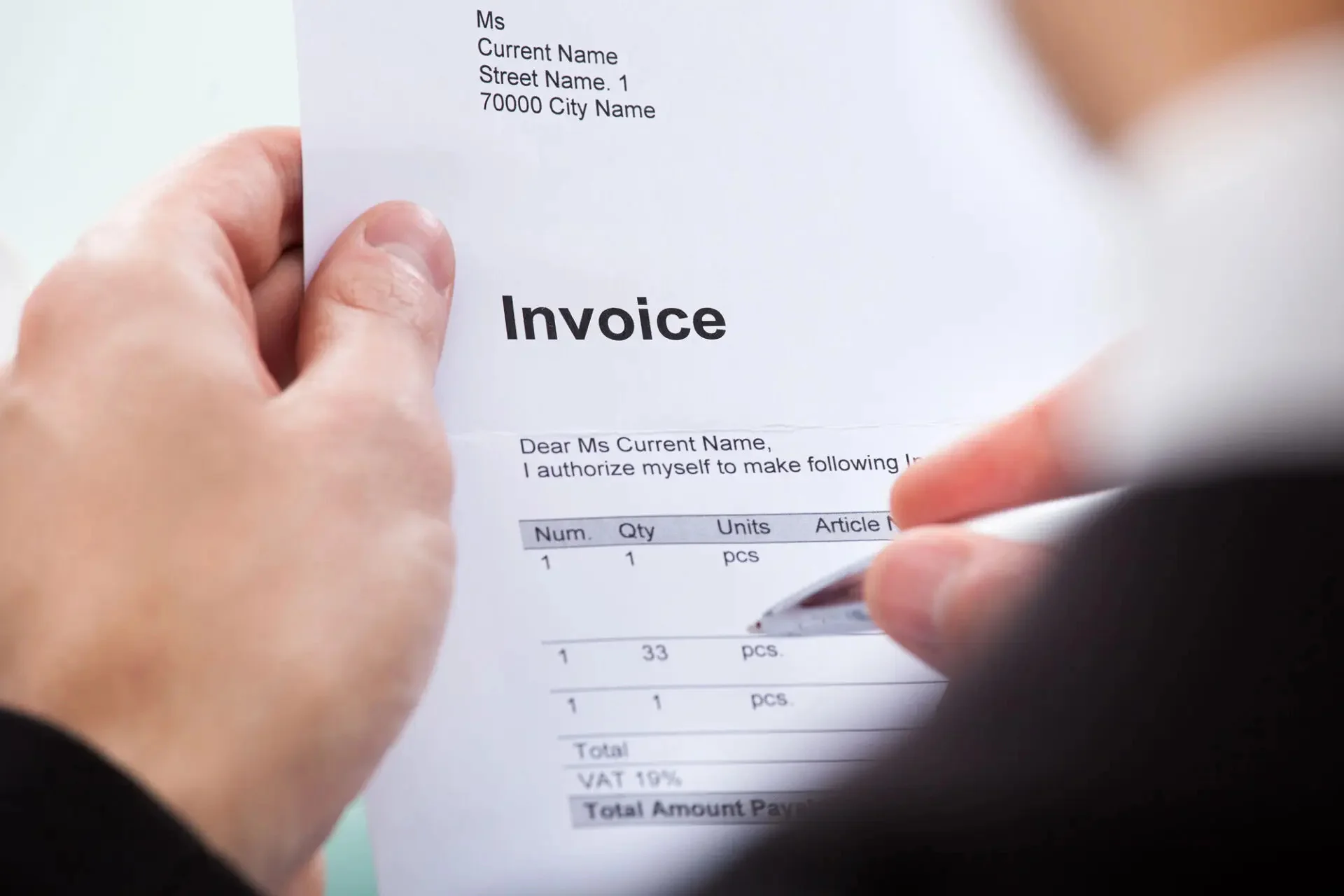
Step Three: Put It on the Invoice
Be exact. Vague invoices cause lost payments. Include:
• The amount and the coin. For example, 1,500 USDC.
• The network. For example, Solana.
• Your wallet address, copied from your wallet or exchange.
• A memo or tag if the exchange requires one.
• The due date.
• Who pays the network fee. Usually the client.
• A line that says: payment sent on the wrong network is the sender's responsibility.
Ask the client to send a small test first on a first-time payment. It costs little and saves arguments.
Step Four: Get Paid and Check the Payment
When the client sends, ask for the transaction hash. Paste it into a block explorer. Look for three things: the right address, the right amount, the status confirmed.
Do not trust a screenshot. Screenshots can be faked. The blockchain cannot.
Step Five: Cash Out
|
Option |
Best for |
Watch out for |
|
Exchange to bank account |
Regular cash-outs of any size |
Withdrawal fees, spread, daily limits |
|
Crypto debit card |
Spending without selling manually |
Card fees and monthly limits |
|
Peer-to-peer platform |
Countries with limited banking |
Scams. Use escrow and read the rules. |
|
Keeping it in stablecoins |
Saving in dollars or paying other crypto bills |
Depegging and issuer risk |
Taxes
In many countries, payment for work counts as income, even when it arrives in crypto. It is usually valued in your local currency at the time you receive it.
Keep records. Note the date, the amount, the coin, the exchange rate that day, and the client. If you later sell or swap, that can trigger a second tax event. Rules differ widely. Ask a tax professional in your country.
Talking Your Client Into It
Some clients have never paid in crypto. Keep it simple.
• Offer it as an option, not a demand. Many clients will pay by bank if you ask.
• Say which coin and network. Send a short how-to if they need one.
• Explain that you will accept the amount in the invoice currency, and give the wallet address.
• Start with a small project. Build trust.
Common Mistakes
• Giving the wrong network on the invoice.
• Pasting a wallet address from memory. Always copy it fresh.
• Posting your address in public. It links your payments to your name.
• Falling for address poisoning. Check the full address before every send.
• Trusting someone who offers a large payment and then asks for a refund of the "overpayment". It is a scam.
The Bottom Line
Pick a coin. Pick a network. Put both on the invoice. Check the payment on the explorer. Cash out when you need to. Keep records for the tax office.
 Written by Hassan Maishera
Comments
Log in to post a comment
No comments yet
Be the first to share your thoughts!