












Mexico vs Nigeria
Crypto regulation comparison
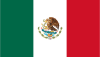
Mexico

Nigeria
Mexico regulates cryptocurrency under the 2018 Fintech Law (Ley Fintech), one of Latin America's first comprehensive crypto regulatory frameworks. The CNBV licenses fintech institutions including crypto exchanges. However, Banxico has restricted financial institutions from offering crypto services directly to customers. Crypto gains are taxed as income at progressive rates.
Nigeria has the highest crypto adoption rate in Africa and among the highest globally. After the CBN banned banks from servicing crypto exchanges in 2021 (driving activity to P2P), the ban was lifted in December 2023. The SEC Nigeria now regulates digital asset exchanges and issuances under its Accelerated Regulatory Incubation Programme (ARIP). Nigeria's progressive rates up to 25% applies to crypto disposals.
Key Points
- Fintech Law (2018) regulates virtual asset operations through licensed ITFs (Fintech Institutions)
- CNBV (National Banking and Securities Commission) oversees licensing and compliance
- Banxico issued rules restricting banks from offering crypto to clients directly
- Crypto gains taxed as 'other income' (otros ingresos) at progressive rates up to 35%
- Mexico has high crypto adoption driven by remittances and unbanked population
Key Points
- CBN lifted the 2021 banking ban on crypto in December 2023
- SEC Nigeria oversees VASPs under the Investments and Securities Act and ARIP
- Progressive rates up to 25% applies to profits from crypto asset disposals according to Nigeria Tax Act 2025 (eff. Jan 2026)
- Nigeria ranks among the top 5 globally for crypto adoption (Chainalysis index)
- P2P trading dominates the market; Binance and other platforms face regulatory scrutiny