












Sri Lanka vs Zimbabwe
Crypto regulation comparison

Sri Lanka
Zimbabwe
Sri Lanka has no specific cryptocurrency legislation. The CBSL has issued multiple warnings (2018, 2021, 2022, 2023) about crypto risks and has not authorized any entity to operate crypto exchanges, mining, or advisory services. Use of debit/credit cards for crypto is prohibited under the Foreign Exchange Act. The SEC has been discussed as a potential future regulator.
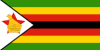
Zimbabwe has restricted cryptocurrency through its central bank. The RBZ banned financial institutions from processing crypto transactions in 2018. However, in a unique move, the RBZ issued gold-backed digital tokens (ZiG tokens) in 2023 as a store of value. Zimbabwe has a history of currency instability (hyperinflation, currency collapses) which drives informal crypto adoption for hedging and remittances.
Key Points
- CBSL has issued repeated warnings about crypto risks (2018, 2021, 2022, 2023)
- No entity authorized to operate crypto exchanges, mining, or advisory services
- Use of debit/credit cards for crypto prohibited under Foreign Exchange Act
- CBSL requested criminal proceedings against crypto pyramid schemes
- SEC discussed as potential future regulatory authority for digital assets
Key Points
- RBZ banned banks and financial institutions from servicing crypto in 2018
- RBZ issued gold-backed digital tokens (ZiG) in 2023 as a CBDC-like instrument
- No licensing framework for crypto exchanges
- Informal crypto adoption driven by currency instability and remittance needs
- Crypto ownership itself is not explicitly criminalized for individuals