













Nepal vs Serbia
Crypto regulation comparison

Nepal
Serbia
Nepal has banned cryptocurrency trading, mining, and transactions. The Nepal Rastra Bank declared crypto trading illegal in 2017, and the Nepal Telecommunications Authority has been directed to block crypto exchange websites. Law enforcement has arrested individuals for operating crypto exchanges. Despite the ban, some citizens use VPNs to access crypto.
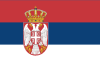
Serbia's Law on Digital Assets, enacted in December 2020 and effective June 2021, created one of the first comprehensive crypto regulatory frameworks in the Western Balkans. The NBS oversees virtual currencies while the Securities Commission handles digital tokens. Service providers must obtain licenses and comply with AML/KYC requirements. Capital gains taxed at 15%.
Key Points
- NRB declared all crypto trading and transactions illegal in 2017
- Mining cryptocurrency is also prohibited
- NTA directed to block access to crypto exchange websites
- Arrests have been made for operating crypto trading platforms
- NRB exploring a central bank digital currency (CBDC) as an alternative
Key Points
- Law on Digital Assets enacted December 2020, effective June 2021
- NBS regulates virtual currencies; Securities Commission regulates digital tokens
- Capital gains on crypto taxed at 15%
- Service providers must obtain licenses and maintain physical offices in Serbia
- Transfer/conversion of digital assets exempt from VAT
