












Mexico vs El Salvador
Crypto regulation comparison
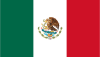
Mexico
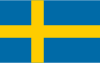
El Salvador
Mexico regulates cryptocurrency under the 2018 Fintech Law (Ley Fintech), one of Latin America's first comprehensive crypto regulatory frameworks. The CNBV licenses fintech institutions including crypto exchanges. However, Banxico has restricted financial institutions from offering crypto services directly to customers. Crypto gains are taxed as income at progressive rates.
El Salvador made history in September 2021 by becoming the first country to adopt Bitcoin as legal tender through the Bitcoin Law. However, under a January 2025 IMF agreement (Decreto 199), El Salvador amended the law to make Bitcoin acceptance by businesses voluntary rather than mandatory, and repealed several articles. There is no capital gains tax on Bitcoin. The CNAD regulates digital assets.
Key Points
- Fintech Law (2018) regulates virtual asset operations through licensed ITFs (Fintech Institutions)
- CNBV (National Banking and Securities Commission) oversees licensing and compliance
- Banxico issued rules restricting banks from offering crypto to clients directly
- Crypto gains taxed as 'other income' (otros ingresos) at progressive rates up to 35%
- Mexico has high crypto adoption driven by remittances and unbanked population
Key Points
- First country to adopt Bitcoin as legal tender in September 2021 via the Bitcoin Law
- Government developed the Chivo wallet for citizens, offering $30 USD in BTC incentive
- January 2025 Decreto 199 made merchant Bitcoin acceptance voluntary (IMF condition)
- No capital gains tax on Bitcoin transactions for individuals
- Government has been accumulating Bitcoin reserves and launched Bitcoin-backed bonds