












Israel vs Saudi Arabia
Crypto regulation comparison
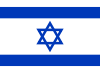
Israel
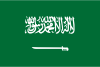
Saudi Arabia
Legal
Restricted
Cryptocurrency is legal in Israel and treated as a taxable asset. The Israel Tax Authority classifies crypto as property, subject to 25% capital gains tax (or up to 50% for significant shareholders or high earners). Israel has a vibrant blockchain ecosystem with many startups and R&D centers.
Saudi Arabia has an ambiguous but generally restrictive approach to cryptocurrency. SAMA has not licensed any crypto exchanges, and financial institutions are warned against dealing in crypto. However, crypto is not explicitly banned by law, and Saudi Arabia has participated in blockchain initiatives (Project Aber with the UAE central bank). No personal income or capital gains tax exists in Saudi Arabia.
Tax Type
Capital gains
Tax Type
None
Tax Rate
25-50%
Tax Rate
0%
Exchanges
Yes
Exchanges
No
Mining
Yes
Mining
Yes
Regulator
ISA (Israel Securities Authority), ITA (Israel Tax Authority), CTMFA
Regulator
SAMA (Saudi Arabian Monetary Authority), CMA Saudi Arabia
Stablecoin Rules
No specific stablecoin regulation; ISA exploring digital asset framework
Stablecoin Rules
No regulation; crypto trading not authorized
Key Points
- Capital gains tax of 25% on crypto profits (up to 50% including surtax for high earners)
- Israel Tax Authority classifies cryptocurrency as property, not currency
- ISA is developing a regulatory framework for digital asset trading platforms
- AML/KYC requirements apply to crypto service providers under CTMFA supervision
- Israel has one of the highest densities of blockchain startups globally
Key Points
- SAMA has not authorized or licensed any cryptocurrency exchanges
- Financial institutions warned against crypto transactions
- Crypto not explicitly banned but not regulated; exists in a legal gray area
- No personal income or capital gains tax in Saudi Arabia
- Saudi Arabia participated in CBDC experiments (Project Aber with UAE)