












Ecuador vs Israel
Crypto regulation comparison
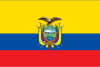
Ecuador
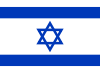
Israel
Partially Regulated
Legal
Ecuador has a complex relationship with cryptocurrency. A 2014 National Assembly resolution banned Bitcoin as legal tender, and the Central Bank prohibits financial institutions from dealing in crypto. However, private ownership and trading of crypto are not explicitly illegal, and peer-to-peer usage exists.
Cryptocurrency is legal in Israel and treated as a taxable asset. The Israel Tax Authority classifies crypto as property, subject to 25% capital gains tax (or up to 50% for significant shareholders or high earners). Israel has a vibrant blockchain ecosystem with many startups and R&D centers.
Tax Type
Unclear
Tax Type
Capital gains
Tax Rate
N/A
Tax Rate
25-50%
Exchanges
Yes
Exchanges
Yes
Mining
Yes
Mining
Yes
Regulator
Banco Central del Ecuador, Superintendencia de Bancos
Regulator
ISA (Israel Securities Authority), ITA (Israel Tax Authority), CTMFA
Stablecoin Rules
No specific stablecoin regulation
Stablecoin Rules
No specific stablecoin regulation; ISA exploring digital asset framework
Key Points
- 2014 resolution prohibits crypto from being used as legal tender
- Central Bank bans financial institutions from facilitating crypto transactions
- Private ownership and P2P trading exist in a legal gray area
- Ecuador uses the US dollar as its official currency, limiting monetary policy tools
- No comprehensive crypto regulatory framework in place
Key Points
- Capital gains tax of 25% on crypto profits (up to 50% including surtax for high earners)
- Israel Tax Authority classifies cryptocurrency as property, not currency
- ISA is developing a regulatory framework for digital asset trading platforms
- AML/KYC requirements apply to crypto service providers under CTMFA supervision
- Israel has one of the highest densities of blockchain startups globally