












Switzerland vs Moldova
Crypto regulation comparison

Switzerland
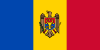
Moldova
Switzerland is one of the world's most crypto-friendly jurisdictions. The Canton of Zug is known as 'Crypto Valley' and hosts the Ethereum Foundation and hundreds of blockchain companies. FINMA provides clear regulatory guidance, and the DLT Act (2021) created a legal framework for tokenized securities and crypto exchanges. Individual investors pay no capital gains tax on crypto, though it is included in the cantonal wealth tax base. Professional traders may be subject to income tax.
Moldova currently has no specific cryptocurrency legislation. The National Bank warns that virtual currencies are unregulated and user funds are not protected. Ownership and trading are legal but use as payment is prohibited. Moldova plans to introduce its first crypto law by 2026, aligned with EU MiCA regulation, including a 12% tax on crypto profits.
Key Points
- No capital gains tax on crypto for individual investors (private wealth management)
- Crypto included in cantonal wealth tax base (rates vary by canton, typically 0.1-1%)
- Professional/frequent traders may be classified as self-employed and taxed on income
- FINMA regulates crypto under existing financial market laws and the 2021 DLT Act
- DLT Act (2021) introduced DLT trading facility license and legal framework for tokenized assets
Key Points
- Virtual currencies not regulated; user funds not protected per NBM warning
- Ownership and trading legal; use as payment prohibited
- First crypto law planned by 2026, aligned with EU MiCA regulation
- Planned 12% tax on crypto transaction profits
- Law being drafted jointly by Finance Ministry, NBM, and AML authority