












Switzerland vs Dominican Republic
Crypto regulation comparison

Switzerland
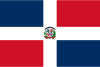
Dominican Republic
Switzerland is one of the world's most crypto-friendly jurisdictions. The Canton of Zug is known as 'Crypto Valley' and hosts the Ethereum Foundation and hundreds of blockchain companies. FINMA provides clear regulatory guidance, and the DLT Act (2021) created a legal framework for tokenized securities and crypto exchanges. Individual investors pay no capital gains tax on crypto, though it is included in the cantonal wealth tax base. Professional traders may be subject to income tax.
The Dominican Republic has no specific cryptocurrency legislation. The central bank (BCRD) issued statements in 2017 and 2021 warning that crypto is not legal tender and prohibiting regulated financial institutions from dealing in digital assets under Monetary Law No. 183-02. Individual use is not criminalized but operates in a restricted gray area.
Key Points
- No capital gains tax on crypto for individual investors (private wealth management)
- Crypto included in cantonal wealth tax base (rates vary by canton, typically 0.1-1%)
- Professional/frequent traders may be classified as self-employed and taxed on income
- FINMA regulates crypto under existing financial market laws and the 2021 DLT Act
- DLT Act (2021) introduced DLT trading facility license and legal framework for tokenized assets
Key Points
- No specific cryptocurrency legislation exists
- BCRD prohibits regulated financial institutions from dealing in crypto
- Crypto is not recognized as legal tender
- No licensing framework for crypto exchanges
- Crypto gains treated as taxable income when converted to Dominican pesos