












United Arab Emirates vs Venezuela
Crypto regulation comparison
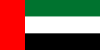
United Arab Emirates
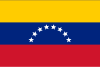
Venezuela
The UAE has become a global crypto hub with multiple regulatory frameworks. Dubai's VARA (Virtual Assets Regulatory Authority), established in 2022, is the world's first dedicated crypto regulator and licenses exchanges, brokers, and other VASPs. Abu Dhabi's ADGM regulates crypto through the FSRA. The federal SCA also oversees crypto at the national level. The UAE has no personal income or capital gains tax. Major global exchanges (Binance, Bybit, OKX, Crypto.com) have obtained UAE licenses.
Venezuela has a unique crypto history. The government launched the Petro (PTR) state cryptocurrency in 2018, backed by oil reserves, though it was widely considered a failure and discontinued. SUNACRIP regulates crypto activities and has licensed mining operations. Venezuelans have high crypto adoption due to hyperinflation, with USDT widely used as a de facto currency. Crypto mining requires a SUNACRIP license.
Key Points
- VARA (Dubai) — world's first standalone virtual asset regulator; comprehensive licensing framework
- ADGM/FSRA (Abu Dhabi) — separate regulatory framework for digital assets in the financial free zone
- No personal income tax or capital gains tax in the UAE
- 9% corporate tax (from 2023) may apply to crypto businesses but not individual investors
- Major exchanges licensed: Binance, Bybit, OKX, Crypto.com, BitOasis
Key Points
- SUNACRIP regulates crypto exchanges, mining, and service providers
- Government-backed Petro cryptocurrency launched in 2018, largely discontinued
- Crypto mining requires SUNACRIP license and registration
- Very high crypto adoption driven by hyperinflation; USDT widely used
- Income from crypto subject to progressive tax rates up to 34%