 Nikolas Sargeant
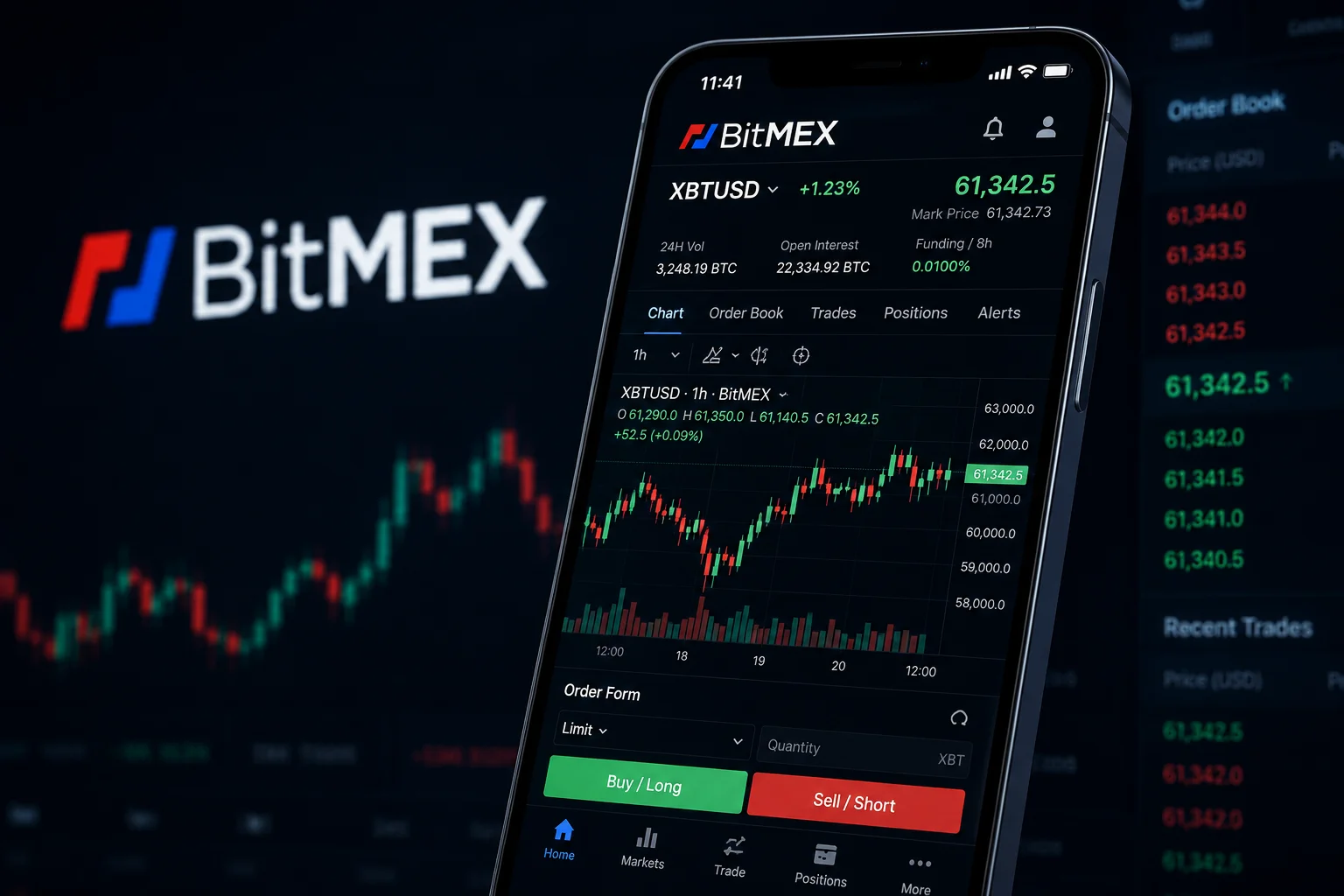
BitMEX has published its Q2 2026 Derivatives Report, outlining three structural factors that can create persistent funding rate differences across perpetual futures markets. The report argues that these discrepancies are often rooted in exchange design rather than short-term market sentiment, potentially creating recurring opportunities for sophisticated traders.
Titled "Three Sources of Funding-Rate Alpha," the research explores how variations in collateral models, exchange participant profiles, and index construction influence funding rates across crypto derivatives markets.
Funding Rates Reflect More Than Market Sentiment
Funding rates are designed to keep perpetual futures prices closely aligned with the underlying spot market by encouraging balance between long and short positions.
However, BitMEX argues that these rates are not solely driven by bullish or bearish sentiment. Instead, structural characteristics unique to each exchange and contract can create long-lasting differences that traders may be able to exploit.
Peter Wilkinson, CEO of BitMEX, said the firm's research demonstrates that funding rate behavior is shaped by multiple factors beyond price direction.
According to Wilkinson, elements such as collateral type, exchange participant demographics, and index methodology can produce recurring funding rate disparities that present strategic trading opportunities for market participants.
One of the report's primary findings focuses on the impact of margin collateral on funding rates.
BitMEX's historical analysis found that its bitcoin-margined XBTUSD perpetual contract consistently exhibited different funding dynamics compared with its USDT-margined XBTUSDT contract.
Over the past three and a half years, the funding spread between the two products averaged approximately 3.93% on an annualized basis. The spread remained negative during 94% of rolling 90-day periods, suggesting that collateral design alone can produce sustained funding rate differences even when both contracts track the same underlying asset.
The findings indicate that traders using different margin products may experience materially different funding costs over extended periods.
Hyperliquid Shows Higher Funding Premiums Than Binance
The report also examined funding rates across major cryptocurrency derivatives exchanges.
According to BitMEX's research, Hyperliquid's Bitcoin perpetual contracts generated an average annualized funding premium of 7.17% compared with similar contracts on Binance between 2023 and 2026.
For Ether perpetual futures, Hyperliquid maintained an average funding premium of 5.31% over Binance during the same period.
BitMEX attributes much of this divergence to differences in exchange user bases and market participation. The report suggests that decentralized platforms such as Hyperliquid attract different trader demographics, while operational limitations can make it more difficult for institutional firms to perform cross-exchange arbitrage that would otherwise narrow funding rate gaps.
Commodity Perpetuals Introduce New Funding Dynamics
Beyond cryptocurrencies, the report highlights emerging opportunities in tokenized commodity perpetual markets.
BitMEX analyzed perpetual contracts linked to West Texas Intermediate (WTI) crude oil, finding that funding rates can become highly volatile during futures contract rollover periods.
During an April 2026 futures roll, BitMEX's WTIUSDT perpetual contract briefly recorded a funding rate of approximately -531% annualized.
According to the report, the extreme reading was driven largely by the exchange's futures-based index methodology rather than broader market sentiment, illustrating how index construction can significantly influence funding behavior for tokenized commodities.
BitMEX Outlines Potential Funding Rate Trading Strategies
Based on its findings, BitMEX identifies several trading strategies that could potentially capitalize on structural funding rate differences.
These include:
-
Cross-margin funding arbitrage between contracts with different collateral types.
-
Cross-exchange funding spread strategies that exploit persistent pricing differences across trading venues.
-
Opportunities created by futures rollover mechanics in tokenized commodity perpetual markets.
The report emphasizes that traders should first determine whether a funding rate divergence stems from structural market characteristics or temporary market events before implementing any strategy.
According to BitMEX, distinguishing between long-term structural inefficiencies and short-lived dislocations is critical to successfully capturing funding-rate alpha.