












Croatia vs Thailand
Crypto regulation comparison
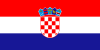
Croatia

Thailand
Legal
Legal
Cryptocurrency is legal in Croatia and regulated under the EU's MiCA framework since Croatia joined the eurozone in January 2023. Crypto capital gains are taxed at 10-12% depending on the holding period. HANFA oversees crypto service providers.
Thailand has a comprehensive crypto regulatory framework under the Digital Asset Business Emergency Decree (2018). The SEC Thailand licenses digital asset exchanges, brokers, and dealers. Crypto gains are taxed at 15% withholding tax, though the government exempted VAT on crypto trading on authorized exchanges from 2022. Thailand has a well-developed exchange ecosystem with Bitkub as the dominant platform.
Tax Type
Capital gains
Tax Type
Capital gains
Tax Rate
12%
Tax Rate
15%
Exchanges
Yes
Exchanges
Yes
Mining
Yes
Mining
Yes
Regulator
HANFA (Croatian Financial Services Supervisory Agency)
Regulator
SEC Thailand, BOT (Bank of Thailand)
Stablecoin Rules
Regulated under EU MiCA framework
Stablecoin Rules
SEC Thailand regulates digital tokens including stablecoins
Key Points
- Capital gains on crypto taxed at 12% flat rate
- Gains on crypto held over 2 years are tax-exempt
- HANFA regulates VASPs under Croatian and EU law
- MiCA framework fully applicable from 30 December 2024
- Croatia joined the eurozone in January 2023, aligning financial regulation with EU standards
Key Points
- Digital Asset Business Emergency Decree B.E. 2561 (2018) provides comprehensive regulation
- SEC Thailand licenses exchanges, brokers, dealers, and fund managers for digital assets
- 15% withholding tax on crypto gains; VAT exempted on authorized exchange trades since 2022
- BOT restricts crypto for payments but allows it as an investment asset
- Bitkub is the dominant exchange (~90% market share domestically)