












Central African Republic vs Uzbekistan
Crypto regulation comparison
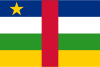
Central African Republic
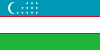
Uzbekistan
Legal
Legal
The Central African Republic briefly adopted Bitcoin as legal tender in 2022 under the 'Sango' project, but this was struck down by the Constitutional Court. Crypto remains legal but the legal tender status was reversed.
Uzbekistan has actively regulated crypto since 2018, when it established the NAPM (initially NAPCI) to oversee virtual assets. Licensed crypto exchanges operate in a regulatory sandbox. Individual crypto trading profits are exempt from tax. Uzbekistan has also established a state-backed mining pool and licensing regime for miners, leveraging its energy resources.
Tax Type
None
Tax Type
None
Tax Rate
N/A
Tax Rate
0%
Exchanges
Yes
Exchanges
Yes
Mining
Yes
Mining
Yes
Regulator
BEAC (Bank of Central African States)
Regulator
NAPM (National Agency for Prospective Projects)
Stablecoin Rules
No specific stablecoin regulation
Stablecoin Rules
Regulated under NAPM virtual asset framework
Key Points
- Bitcoin was briefly adopted as legal tender in 2022 via the Sango Act
- Constitutional Court struck down the legal tender provision
- Crypto trading and holding remain legal
- BEAC opposed the Bitcoin legal tender move
- Sango crypto hub project launched but has faced significant challenges
Key Points
- NAPM oversees virtual asset regulation and licensing
- Licensed exchanges operate under regulatory framework since 2018
- Individual crypto trading exempt from income tax
- State-backed mining pool and licensing for crypto miners
- Only licensed platforms can offer crypto services; unlicensed platforms blocked