












Crypto Custody in 2026: How Investors Actually Store Digital Assets Safely October, 2026
Crypto custody is no longer a one-size-fits-all decision. This guide explains how real investors store digital assets in 2026, comparing self-custody, exchange custody, and institutional solutions with practical, real-world examples.
 Written by Nikolas Sargeant
In 2026, “crypto custody” is not a vibe and it is not a wallet preference. It is the practical question of where your private keys live, who can move your assets, and what rules can delay or block withdrawals. Investors now hold crypto exposure through four very real rails: spot Bitcoin ETFs, centralized exchanges, self custody hardware wallets, and institutional custody platforms.
Real custody rails investors use today:
- Spot Bitcoin ETFs (brokerage rail): products like BlackRock’s iShares Bitcoin Trust ETF (IBIT) give price exposure in a brokerage account, but you cannot withdraw bitcoin from the ETF.
- Centralized exchanges (exchange rail): custody inside an account with password recovery and compliance controls, typically used for on ramps, off ramps, and liquidity.
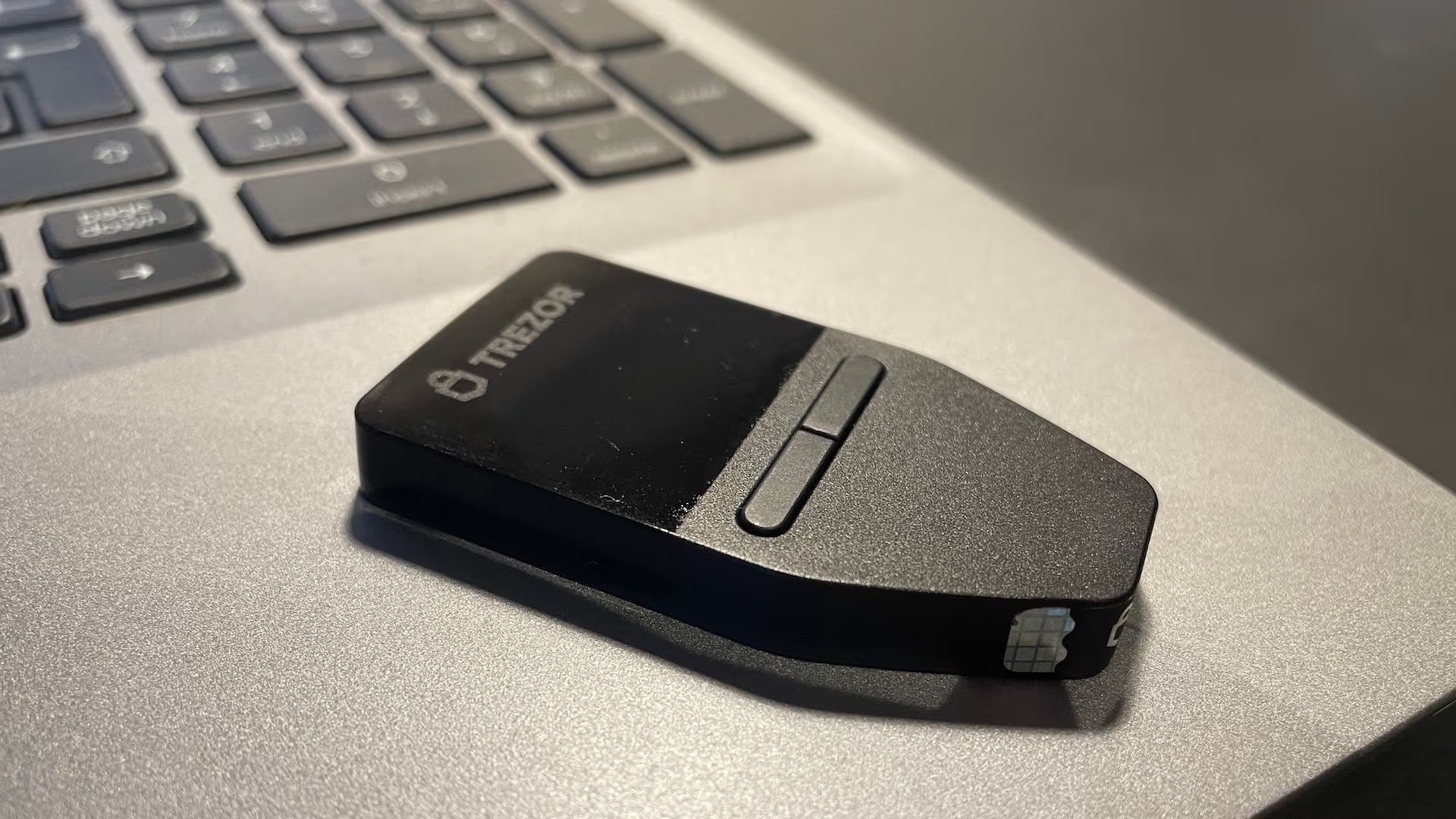
- Hardware wallets (self custody rail): devices like Ledger or Trezor store the private keys offline and require physical confirmation to sign transactions.
- Institutional custody (prime and MPC rail): platforms like Coinbase Prime Custody and Fireblocks provide institutional custody workflows, including cold storage and MPC based key management.
Regulation is part of why custody matters more now. In the EU, MiCA moves custody and other crypto services under a unified licensing framework for crypto-asset service providers, which affects what “regulated custody” means for users and firms. In the US, the rise of spot Bitcoin ETFs pushed custody deeper into traditional finance, where the investor gets exposure through a fund structure rather than direct coin control.

This guide is about how investors actually store digital assets safely in 2026 using real custody options that exist: ETF custody, exchange custody, hardware wallet self custody, smart contract multisig wallets, and institutional custody stacks.
What Crypto Custody Really Means in 2026
Crypto custody is the combination of key storage, signing, access control, and recovery. In plain terms, custody answers four questions: where are the keys, who can sign, what can freeze access, and how do you recover. Different custody options answer those questions differently and that is the whole point.
| Custody option | Where keys live | Who can move assets | Recovery model | Typical real use |
|---|---|---|---|---|
| Spot Bitcoin ETF (example: IBIT) | Held by the fund’s custody stack, not by the investor | Investor trades shares, cannot withdraw bitcoin | Brokerage account recovery | Retirement and brokerage exposure to BTC price |
| Exchange custody | Exchange controlled keys | Exchange processes withdrawals and can delay them | Password resets plus compliance checks | Fiat on ramps, off ramps, short term liquidity |
| Hardware wallet (Ledger, Trezor) | Private keys stored offline on the device |
Why Crypto Custody Is an Investor Decision in 2026
In 2026, “crypto custody” is not a vibe and it is not a wallet preference. It is the practical question of where your private keys live, who can move your assets, and what rules can delay or block withdrawals. Investors now hold crypto exposure through four very real rails: spot Bitcoin ETFs, centralized exchanges, self custody hardware wallets, and institutional custody platforms.
Real custody rails investors use today:
- Spot Bitcoin ETFs (brokerage rail): products like BlackRock’s iShares Bitcoin Trust ETF (IBIT) give price exposure in a brokerage account, but you cannot withdraw bitcoin from the ETF.
- Centralized exchanges (exchange rail): custody inside an account with password recovery and compliance controls, typically used for on ramps, off ramps, and liquidity.
- Hardware wallets (self custody rail): devices like Ledger or Trezor store the private keys offline and require physical confirmation to sign transactions.
- Institutional custody (prime and MPC rail): platforms like Coinbase Prime Custody and Fireblocks provide institutional custody workflows, including cold storage and MPC based key management.
Regulation is part of why custody matters more now. In the EU, MiCA moves custody and other crypto services under a unified licensing framework for crypto-asset service providers, which affects what “regulated custody” means for users and firms. In the US, the rise of spot Bitcoin ETFs pushed custody deeper into traditional finance, where the investor gets exposure through a fund structure rather than direct coin control.
This guide is about how investors actually store digital assets safely in 2026 using real custody options that exist: ETF custody, exchange custody, hardware wallet self custody, smart contract multisig wallets, and institutional custody stacks.
What Crypto Custody Really Means in 2026
Crypto custody is the combination of key storage, signing, access control, and recovery. In plain terms, custody answers four questions: where are the keys, who can sign, what can freeze access, and how do you recover. Different custody options answer those questions differently and that is the whole point.
| Custody option | Where keys live | Who can move assets | Recovery model | Typical real use |
|---|---|---|---|---|
| Spot Bitcoin ETF (example: IBIT) | Held by the fund’s custody stack, not by the investor | Investor trades shares, cannot withdraw bitcoin | Brokerage account recovery | Retirement and brokerage exposure to BTC price |
| Exchange custody | Exchange controlled keys | Exchange processes withdrawals and can delay them | Password resets plus compliance checks | Fiat on ramps, off ramps, short term liquidity |
| Hardware wallet (Ledger, Trezor) | Private keys stored offline on the device | Only the device holder can sign | Seed phrase recovery, no “customer support” reset | Long term cold storage of BTC and ETH |
| Smart wallet multisig (Safe) | Smart contract controls spend rules on-chain | Multiple signers required to move funds | Replace signers and set policies, depending on setup | Treasuries, shared control, higher value wallets |
| Institutional custody (Coinbase Prime, Fireblocks) | Cold storage or MPC controlled key shares | Policy based approvals, role separation, audited workflows | Operational recovery with controls and governance | Large portfolios, funds, corporate treasuries |
Real “digital storage” examples that matter:
- Hardware device storage: Ledger and Trezor style devices keep private keys offline and require on-device signing.
- Software wallet storage: MetaMask is a self custodial wallet app (extension and mobile) used for on-chain activity. It is not a vault, it is an interface that relies on how you secure the keys.
- Network and contract storage: Safe is a smart wallet that enforces multisig rules on-chain, commonly used for higher-value control.
- Institutional rails: Coinbase Prime Custody and Fireblocks market custody infrastructure designed for institutions, including cold storage and MPC based workflows.
The takeaway is simple: “safe storage” depends on which custody rail you use. ETFs optimize for brokerage access, exchanges optimize for convenience and liquidity, hardware wallets optimize for offline control, multisig smart wallets optimize for shared control, and institutional custody optimizes for governance and operational resilience.
Self Custody in 2026: Devices, Wallets, and Networks Investors Actually Use
Self custody in 2026 means the investor directly controls private keys using specific devices and software that exist today. This is not an abstract concept. It is implemented through hardware devices, wallet software, and blockchain networks that enforce ownership through cryptographic signatures.
The most common self custody configuration for long term investors is cold storage using a hardware wallet. Hardware wallets are physical devices designed to keep private keys offline and isolated from internet connected systems. Transactions are signed on the device itself and then broadcast to the network.
Real self custody devices investors use:
- Ledger hardware wallets: Private keys are generated and stored inside a secure element chip. The device must physically approve each transaction.
- Trezor hardware wallets: Open source firmware hardware wallets where keys never leave the device and signing happens offline.
Hardware wallets are typically used for assets that are not moved often, such as Bitcoin and Ethereum held with a long term horizon. Investors connect these devices only when transferring funds or consolidating holdings, then disconnect them again.
For active on-chain use, investors rely on self custodial software wallets. These wallets do not store assets themselves. They store private keys and act as interfaces to blockchain networks such as Ethereum and its layer 2s.
Real software wallets and networks used:
- MetaMask: A self custodial wallet application used to interact with Ethereum, Arbitrum, Optimism, Polygon, and other EVM networks.
- Bitcoin network: Hardware wallets connect to Bitcoin nodes or third party endpoints to broadcast signed transactions.
- Ethereum network: Smart contract interactions and token transfers executed through wallet software connected to Ethereum mainnet or layer 2 networks.
As portfolio values increase, some investors move beyond single key wallets and adopt multisignature self custody. Multisig wallets require more than one approval to move funds and are enforced directly on-chain.
Real multisig self custody implementation:
- Safe (formerly Gnosis Safe): A smart contract wallet that requires multiple signatures before assets can be moved, widely used for treasuries and higher value holdings.
- Signer separation: One key on a hardware wallet, one key on a second device, and one key held in secure backup storage.
Self custody removes platform dependency but replaces it with personal operational responsibility. There is no password reset, no account recovery desk, and no support channel that can restore access if recovery material is lost. The security of self custody depends entirely on how devices, backups, and signing policies are implemented.
Exchange Custody in 2026: Platforms, Accounts, and Compliance Reality
Exchange custody is one of the most common ways investors store crypto, and it is implemented through centralized platforms that control private keys on the user’s behalf. In this model, the investor does not hold the keys. Access to funds depends on account credentials, platform policies, and regulatory compliance.
In 2026, exchange custody is primarily used for three concrete purposes: fiat on ramps and off ramps, short term liquidity, and trade execution. Long term storage on exchanges is less common among experienced investors, but exchange custody remains a critical part of most custody stacks.
Real exchange custody platforms investors use:
- Coinbase: Regulated exchange used for buying and selling crypto with bank accounts, storing assets under exchange controlled custody, and accessing U.S. compliant fiat rails.
- Kraken: Exchange custody platform offering spot trading, staking services, and regulated custody options in multiple jurisdictions.
- Binance: Global exchange custody platform used for liquidity and market access, subject to jurisdiction specific rules and restrictions.
When crypto is held on an exchange, withdrawals are processed according to internal risk controls. This can include withdrawal limits, temporary holds, or enhanced identity verification. These controls are not hypothetical. They are standard features of regulated exchange custody.

What exchange custody constraints look like in practice:
- Withdrawals delayed while additional identity documents are reviewed.
- Temporary withdrawal limits triggered by account security events.
- Asset support changes that require users to move funds within a set timeframe.
Exchange custody offers convenience and recovery options that self custody does not. Password resets, account recovery processes, and customer support exist. The tradeoff is that the exchange ultimately controls access to the assets and can restrict movement under specific conditions.
For most investors, exchange custody works best when balances are intentionally limited and used for specific purposes. It is not a vault. It is a service layer that trades autonomy for accessibility and regulatory integration.
Institutional and Hybrid Custody in 2026: How Large Portfolios Are Actually Stored
Institutional custody is not a theoretical construct. It is a concrete storage and governance model used by funds, family offices, corporations, and high net worth investors who need stronger controls than basic self custody or exchange accounts can provide.
In this model, crypto assets are stored with professional custody providers that specialize in secure key management, cold storage, and operational controls. These providers do not function like retail exchanges. Storage, approvals, and execution are separated by design.
Real institutional custody providers in use:
- Coinbase Prime Custody: Institutional custody platform offering segregated cold storage, policy based approvals, and reporting for funds and corporate treasuries.
- Fireblocks: MPC based custody and transaction platform used by institutions to manage assets across cold storage, hot wallets, and controlled execution environments.
- BitGo: Custody provider offering regulated cold storage, multisig wallets, and insurance options for institutional clients.
Institutional custody typically separates storage from execution. Assets remain in cold storage until a withdrawal request passes predefined approval rules. Trading and liquidity access are handled through separate broker or exchange accounts that do not directly control long term storage.
How institutional custody is structured in practice:
- Long term Bitcoin and Ethereum held in segregated cold storage with a licensed custodian.
- Trading executed through a connected broker or exchange account.
- Withdrawals require multiple approvals and may include waiting periods.
Hybrid custody blends institutional controls with partial self custody. Investors may retain signing authority while delegating recovery, policy enforcement, or key sharding to a custody platform. This reduces the impact of device loss or human error without fully surrendering control.
Real hybrid custody implementations:
- MPC custody workflows: Key material split across multiple parties so no single device can move funds alone.
- Policy enforced withdrawals: Small transfers approved quickly, large transfers require additional authorization.
- Governance and audit logs: All actions recorded for compliance and review.
Institutional and hybrid custody models prioritize capital preservation, governance, and continuity. They are slower and more expensive than retail custody options, but they remove single point of failure risk and align crypto storage with traditional asset management standards.
Custody by Portfolio Size in 2026: Concrete Storage Choices That Scale
In real markets, custody decisions scale with portfolio size. Investors do not use the same storage tools for a $5,000 allocation as they do for a seven figure portfolio. The difference is not sophistication for its own sake. It is about reducing the impact of failure as values increase.
Under $10,000: Entry Level Custody
At this level, most investors prioritize ease of access and learning. Crypto is often acquired through a regulated exchange and stored within the same account. Some investors experiment with basic self custody, but complex setups are uncommon.
Real storage choices used:
- Assets held directly on exchanges such as Coinbase or Kraken.
- Small transfers to software wallets like MetaMask to learn on chain interaction.
- No multisig or institutional custody at this stage.
$10,000 to $100,000: Dedicated Cold Storage Appears
Once portfolio value reaches five figures, investors commonly move long term holdings off exchanges. Hardware wallets become the default storage device for Bitcoin and Ethereum that are not intended to move frequently.
Real storage choices used:
- Ledger or Trezor hardware wallets for long term BTC and ETH.
- Stablecoins kept on Coinbase or Kraken for liquidity and fiat access.
- MetaMask connected to a hardware wallet for controlled on chain activity.
$100,000 to $1 Million: Redundancy and Policy Controls
At this stage, human error becomes the dominant risk. Investors begin adding redundancy to prevent a single lost device or mistake from compromising the entire portfolio.
Real storage choices used:
- Multisignature smart wallets such as Safe for higher value holdings.
- Hardware wallets used as individual signers in multisig setups.
- Exchange accounts used only for execution, not storage.
Above $1 Million: Institutional Grade Custody
Large portfolios require governance, auditability, and continuity. At this level, many investors adopt custody solutions originally built for funds and corporate treasuries.
Real storage choices used:
- Segregated cold storage with institutional custodians such as Coinbase Prime Custody or BitGo.
- Fireblocks used for MPC based custody and policy controlled transfers.
- Broker or exchange accounts used only for trade execution.
Across all portfolio sizes, the mistake is freezing custody decisions in time. As value grows, custody must evolve. Investors who fail to upgrade storage infrastructure often discover weaknesses only after a failure occurs.
Custody Risks in 2026 That Still Cause Real Losses
Despite better tools and clearer regulation, most crypto losses in 2026 do not come from protocol failures or cryptographic breaks. They come from custody failures tied to how real storage systems behave under stress. These risks exist across all custody rails, including hardware wallets, exchanges, ETFs, and institutional platforms.
Lost recovery material in self custody setups
Hardware wallets do not fail often, but recovery procedures do. Devices like Ledger and Trezor rely entirely on the recovery phrase created at setup. If that phrase is lost or destroyed, the assets on the associated blockchains are permanently inaccessible.
Real failure scenario:
- Bitcoin stored on a Ledger hardware wallet.
- Recovery phrase written on paper and later misplaced or damaged.
- Device failure or reset makes funds unrecoverable.
Smart contract and approval risk on Ethereum networks
Self custodial software wallets like MetaMask interact directly with smart contracts on Ethereum and layer 2 networks. When users approve contracts, they often grant permissions that persist beyond a single transaction.
Real on chain risk:
- MetaMask wallet approves a token spending contract on Ethereum.
- Approval remains active after the initial transaction.
- Funds are later drained without another explicit transfer.
Access delays in exchange custody
Exchange custody platforms operate under compliance and risk controls. During periods of market volatility or large withdrawals, these controls can slow or block access temporarily.

Real exchange custody issue:
- Assets held on Coinbase or Kraken.
- Withdrawal request triggers enhanced identity verification.
- Access delayed while documents are reviewed.
Structural limits of ETF custody
Spot Bitcoin ETFs are not wallets. They are fund shares. Investors cannot withdraw bitcoin from an ETF, cannot move it on chain, and cannot access it outside brokerage trading hours.
Real ETF custody constraint:
- Bitcoin exposure held through a spot ETF inside a brokerage account.
- Markets closed or trading halted.
- No ability to access or transfer the underlying asset.
These risks are not edge cases. They are normal outcomes of how custody systems are designed. Investors who understand these constraints can plan around them. Those who ignore them often discover the limits only when access matters most.
The 2026 Crypto Custody Stack: How Investors Combine Real Storage Options
In 2026, investors who manage custody well do not rely on a single storage method. They combine multiple, real custody options into a layered stack, where each layer serves a specific function and failure in one layer does not compromise the entire portfolio.
A real custody stack used today:
- : Spot Bitcoin ETF held in a brokerage account for long-term price exposure and tax-advantaged investing, without direct access to bitcoin.
- Cold storage layer: Bitcoin and Ethereum stored on Ledger or Trezor hardware wallets, kept offline and rarely accessed.
- On-chain interaction layer: MetaMask connected to Ethereum and layer 2 networks for staking, governance, and smart contract interaction, funded with limited balances.
- Liquidity layer: Stablecoins and short-term holdings kept on regulated exchanges such as Coinbase or Kraken for fiat access and execution.
- Governance layer (large portfolios): Institutional or MPC custody using platforms like Fireblocks or Coinbase Prime Custody to enforce policies and reduce single point of failure risk.
Each layer is intentionally isolated. Long-term assets are never exposed to daily activity. Liquidity balances are intentionally capped. Governance and recovery are planned in advance rather than improvised during stress.
This approach mirrors how investors already manage traditional assets: brokerage accounts for exposure, vaults for storage, operating accounts for activity, and custodians for scale. Crypto custody in 2026 follows the same logic, but with different technical rails.
Conclusion: Crypto Custody Is About Control, Not Convenience
Crypto custody in 2026 is defined by where private keys live, who can authorize transactions, and what rules govern access under stress. ETFs, exchanges, hardware wallets, smart wallets, and institutional custody platforms all solve different problems and impose different constraints.
Investors who treat custody as an evolving strategy, grounded in real storage options and real operational limits, are far more likely to protect capital over the long term. The goal is not to find a perfect solution, but to build a custody structure that survives market volatility, regulatory change, and real life events.
Comments
Log in to post a comment
No comments yet
Be the first to share your thoughts!