












Bosnia and Herzegovina vs Venezuela
Crypto regulation comparison

Bosnia and Herzegovina
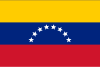
Venezuela
Bosnia and Herzegovina has no comprehensive crypto legislation. The Central Bank warns crypto is not legal tender and banks cannot convert crypto to BAM. Crypto trading is legal. A 2024 AML law designates VASPs as obligated entities. Republika Srpska gave crypto legal status as digital records of value in 2022. Corporate tax on crypto is 10%.
Venezuela has a unique crypto history. The government launched the Petro (PTR) state cryptocurrency in 2018, backed by oil reserves, though it was widely considered a failure and discontinued. SUNACRIP regulates crypto activities and has licensed mining operations. Venezuelans have high crypto adoption due to hyperinflation, with USDT widely used as a de facto currency. Crypto mining requires a SUNACRIP license.
Key Points
- No comprehensive crypto legislation at state level
- Central Bank warns crypto is not legal tender; banks cannot convert to BAM
- 2024 AML/CFT law designates VASPs as obligated entities with KYC requirements
- Republika Srpska gave crypto legal status as digital records in 2022
- 10% corporate tax on crypto profits; exchange services VAT exempt
Key Points
- SUNACRIP regulates crypto exchanges, mining, and service providers
- Government-backed Petro cryptocurrency launched in 2018, largely discontinued
- Crypto mining requires SUNACRIP license and registration
- Very high crypto adoption driven by hyperinflation; USDT widely used
- Income from crypto subject to progressive tax rates up to 34%