












Georgia vs Senegal
Crypto regulation comparison

Georgia
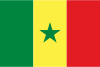
Senegal
Legal
No Regulation
Georgia is one of the most crypto-friendly countries globally. There is no capital gains tax for individuals on cryptocurrency, and the country has a significant crypto mining industry due to low electricity costs. The National Bank has taken a cautious but permissive approach, issuing guidance rather than strict regulation.
Senegal has no specific national cryptocurrency legislation. As a WAEMU member, the BCEAO does not recognize crypto as legal tender and has issued warnings about risks. Crypto is not illegal but operates without legal protection. BCEAO tightened foreign exchange controls in 2024, and fintech firms now require licenses under BCEAO Instruction 001-01-2024.
Tax Type
No tax
Tax Type
None
Tax Rate
0% (individuals)
Tax Rate
N/A
Exchanges
Yes
Exchanges
Yes
Mining
Yes
Mining
Yes
Regulator
National Bank of Georgia (NBG)
Regulator
BCEAO (Central Bank of West African States)
Stablecoin Rules
No specific stablecoin regulation
Stablecoin Rules
No stablecoin regulation
Key Points
- No capital gains tax on crypto for individuals
- Businesses dealing in crypto are taxed under standard corporate tax rules (15% CIT)
- Georgia is a major crypto mining hub due to cheap hydroelectric power
- NBG does not recognize crypto as legal tender but has not prohibited it
- The Free Industrial Zone offers additional tax advantages for crypto businesses
Key Points
- No specific national cryptocurrency legislation
- Crypto not illegal but BCEAO has issued warnings about risks
- Part of the WAEMU monetary zone using the CFA franc
- BCEAO tightened foreign exchange controls and AML requirements in 2024
- Fintech firms now require BCEAO licenses under Instruction 001-01-2024