



How to Secure Mobile Casino Apps on Android
Mobile casino apps have never been as popular as they are now, and it seems like the trend will continue in the future. Unfortunately, this inevitably leads to casino apps becoming a major target for fraud, data theft, and account manipulation, and the sheer volume of financial transaction information and valuable player accounts and personal data makes it incredibly dangerous for millions of users across the globe.
While Android’s open ecosystem provides great flexibility, it also increases the risk of installing unsafe apps or granting dangerous permissions. Here are some of the key facts about the main security risks and the steps needed to protect devices and accounts.

Security risks in mobile casino apps
First of all, casino apps are no different from any other apps when it comes to common Android threats. Malicious APKs, banking trojans, credential stealers, overlay attacks, and apps that mimic legitimate casino brands are all out there, waiting to prey on an unsuspecting user.
As Sophia Novakivska, author at DashTickets, a reputable real money casino magazine, notes, attackers have been exploiting side-loaded apps, outdated operating systems, and weak device configurations to gain access to user data for years. These people are highly incentivised to continue doing so with casino apps, especially considering just how important that data is for many players.
However, there are several risks unique to casino apps. For instance, theft of stored payment data, account takeover attempts, manipulation of bonus systems, and interception of personal documents submitted for KYC all fall into that category. The reason all these risks exist is that fraudsters often like to target casino players specifically — accounts often hold real-money balances and sensitive identity documents.
Finally, some casino apps request permissions they do not strictly need, which raises privacy concerns even when it comes to fully legitimate apps. A casino doesn’t need to know your contacts or have location/storage access, yet it may ask for it anyway.
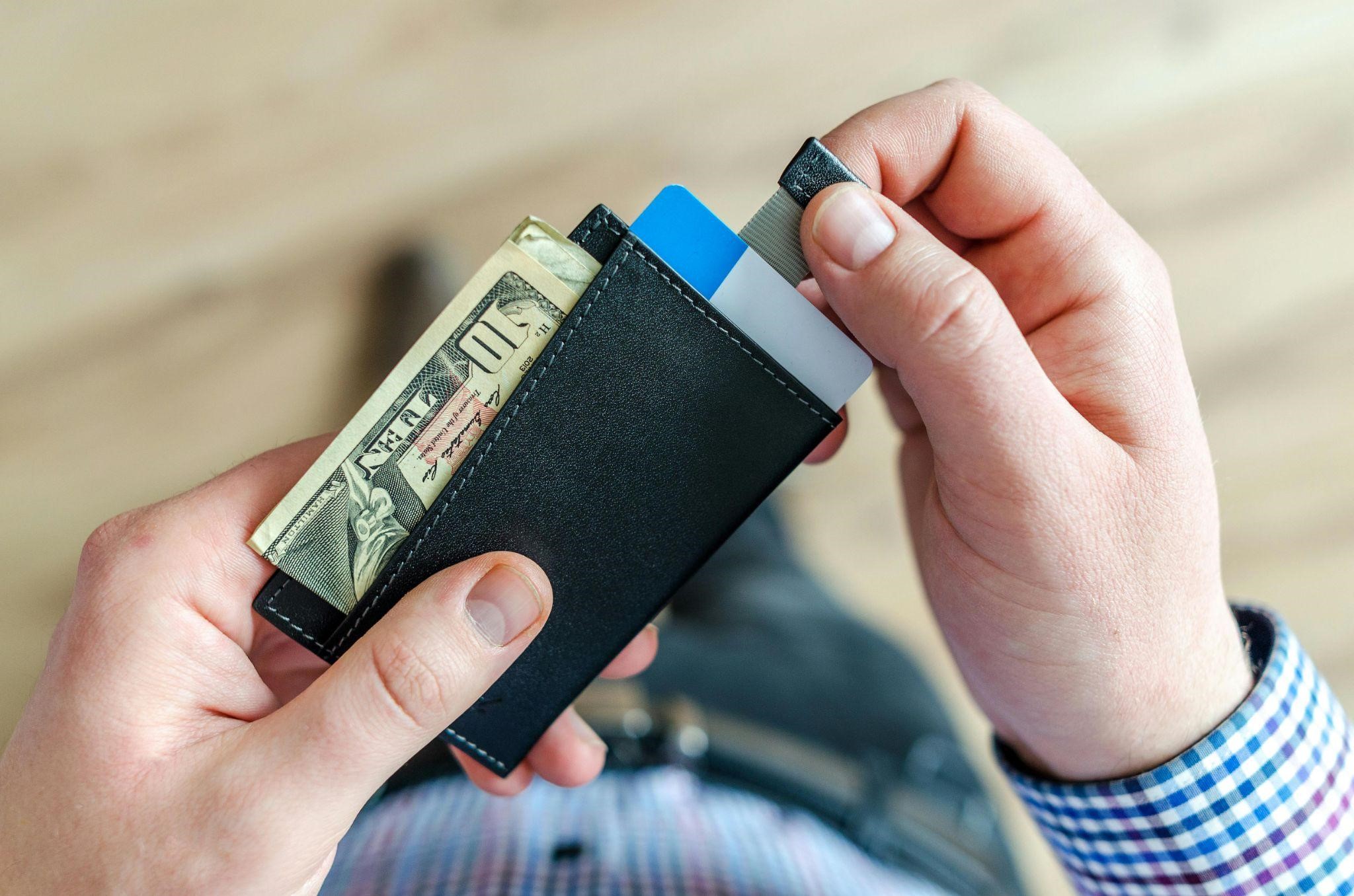
While some data isn’t exactly required for casino apps to function, other information is crucial, and there is no way around it. Modern casino app developers understand the importance of keeping this data protected through all possible means. For instance, in-app transactions are generally handled using encrypted communication channels and secure payment gateways, and account credentials and session tokens are there to mitigate the risks of unauthorized access.
Still, handing your ID documents, payment information, and other sensitive data to an app is putting you at risk, so you have to ensure that the application you choose is well-protected and trustworthy.
How to find safe and legitimate casino apps
First of all, start by verifying the source. You should only download casino apps from official sources like Google Play. While doing it from the casino’s verified website is technically fine, you might not immediately notice that you’re using a scam clone version of it with a malicious link. Using a dedicated Google Play app on your smartphone is way more reliable in that regard.
Definitely never install casino apps from third-party stores or Telegram channels.
Speaking of legitimacy, real online casinos should hold recognized regulatory licenses from entities like UKGC or MGA, displaying their license information clearly. Check the website using the licensing authority’s lists and ensure that you aren’t using a malicious clone page.
Recognizing a fake casino is usually easy, since it only holds up the facade if you never spend any time analyzing it: no official branding, mismatched version numbers, excessive permissions, pushy update prompts, and non-functioning links to support or responsible gambling pages are all signs of a threat.
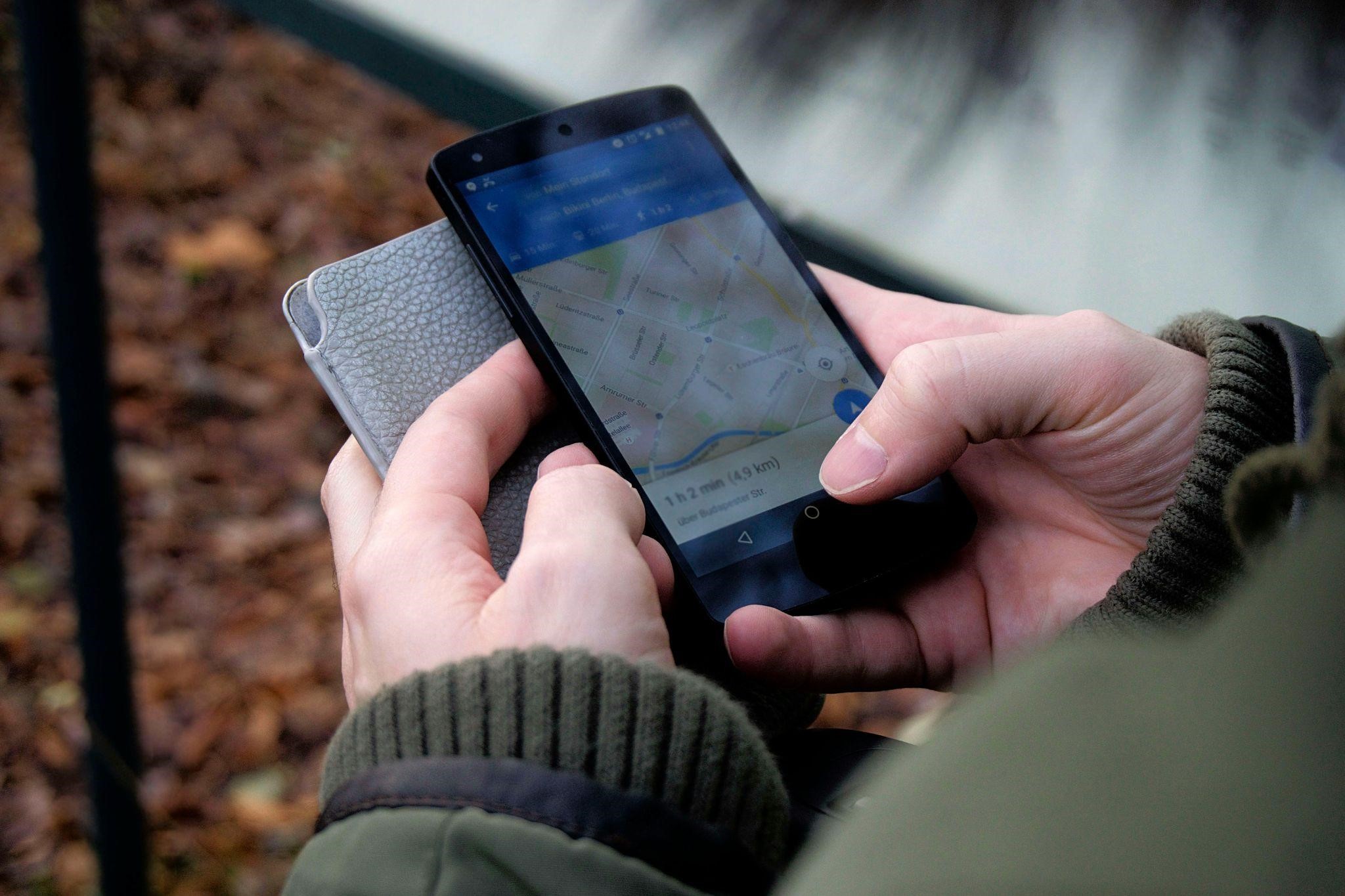
If the casino isn’t exactly a clone or fake website, you should still ensure that it is properly licensed and avoid using it if it isn’t. Licensed operators undergo multiple compliance checks, security audits, and regular penetration testing, meaning that they are the only gambling platforms that are safe to use.
As Sophia Novakivska suggests, players should review the list of requested permissions and reject apps that ask for risky access before downloading them. SMS, contacts, microphone, or external storage should never be accessed by a casino app without a valid reason, and most legitimate casinos can easily operate without needing invasive permissions.
Finally, make sure to check reviews and update frequency on Google Play — a well-maintained and actively supported app with a decent rating is what you’re looking for.
Securing your Android device
Keeping your smartphone updated is a major factor — regular patches address vulnerabilities and render banking malware and rooting tools ineffective. The older your device is, the higher the risk of it being attacked.
Google Play Protect is a feature that you should keep active at all times — it scans apps in real time and blocks malicious APKs while also warning users about risky app behavior. If your casino app or website suggests you turn it off, treat it as a major red flag.
Securing your device isn’t all about digital threats, though — you should always have a strong PIN or biometric lock to prevent unauthorized access in case you lose your phone or it gets stolen. Finally, don’t log into casino accounts on public Wi-Fi without encryption and only use VPN services from reputable providers.
Protecting your casino account
Cybersecurity is a multi-layered endeavor, and you have to commit to it at all levels. Your casino account should feature a strong and unique password to prevent credential stuffing attacks. Using a password manager to generate and store secure credentials might be helpful, but make sure that you use a safe and reliable provider.
Always use two-factor authentication tools to protect your account in case your credentials are compromised. Regularly check login history to ensure that you are the only one who has access to your account and makes withdrawal requests. Don’t forget how important it is to use trusted payment methods — e-wallets like Skrill, Neteller, or PayPal are good options that help you avoid storing card numbers directly in the app.
If your casino app’s deposit page doesn’t use HTTPS, EV certificates, and trusted processors, treat it as a red flag and don’t use it. Attackers often use overlays and other tactics to imitate payment pages and steal card details or passwords.
Most casino apps require some form of verification, and uploading your ID is a fairly common thing nowadays. However, you need to ensure that the app uploads these sensitive documents over encrypted channels and doesn’t save unencrypted copies locally. This is where non-tech-savvy users will mostly have to rely on the casino app's reputation and reviews. It is also a good idea to check whether some news outlets have written about the app and any security issues it has.
When to contact support or close an account
As soon as you get unauthorized login notifications, unexpected withdrawals, or errors suggesting data corruption, you should immediately contact the casino support team as well as your bank and let them know about the situation. Try to change your password and enable two-factor authentication to protect yourself before it’s too late.
If you find yourself dealing with repeated breaches or suspicious app behavior, it might be best to permanently close the account.
***
DISCLAIMER
The views, the opinions and the positions expressed in this article are those of the author alone and do not necessarily represent those of https://www.cryptowisser.com/ or any company or individual affiliated with https://www.cryptowisser.com/. We do not guarantee the accuracy, completeness or validity of any statements made within this article. We accept no liability for any errors, omissions or representations. The copyright of this content belongs to the author. Any liability with regards to infringement of intellectual property rights also remains with them.
Comments
Log in to post a comment
No comments yet
Be the first to share your thoughts!