












The 2025 Guide to Crypto Wallet UX: Ranking the Easiest Wallets for Everyday Users July, 2026
 Written by Nikolas Sargeant
Crypto is finally leaving the “copy this 24-word seed phrase and don’t lose it” era behind. In 2025, the biggest battle in Web3 isn’t just about faster blockchains or higher yields – it’s about who can make wallets feel as simple as logging into your favorite app. From smart accounts and passkeys to multi-party computation (MPC) and embedded wallets, the entire experience of owning and using crypto is being redesigned around normal people, not power users.
This guide breaks down how wallet user experience (UX) has evolved, what actually makes a wallet “easy to use,” and which products are leading the way. Instead of focusing only on technical specs, we’ll look at the things that matter to real users: onboarding friction, how confusing transactions feel, whether gas fees are visible or abstracted away, and how effortless recovery is when something goes wrong.
Whether you are completely new to crypto or you already hold assets but hate clunky wallet flows, this article will help you understand the new UX landscape and choose a wallet that matches your comfort level. By the end, you’ll know which wallets are actually designed for everyday users, and which ones still expect you to think like a developer.
Why Crypto Wallet UX Matters More Than Ever in 2025
For years, crypto has promised mainstream adoption, but one reality kept holding it back: most people never made it past the wallet setup screen. The idea of writing down a seed phrase, storing it offline, managing gas tokens, and confirming opaque transactions was enough to scare away even motivated beginners. In 2025, that is no longer acceptable. If crypto wants the next 100 million users, wallets must feel as intuitive as any everyday mobile app.
Wallet UX matters because it sits at the front door of the entire ecosystem. A smooth onboarding flow can turn a curious visitor into a confident user in under a minute. A bad one does the opposite: people drop off at sign-up, abandon transfers halfway through, or avoid interacting with on-chain apps entirely because it “feels too risky” or “too complicated.”
Today’s best wallets tackle three historic pain points head on:
- Onboarding friction: Replacing seed phrases with passkeys, emails, or social logins, while still preserving real self-custody under the hood.
- Transaction confusion: Translating technical prompts into clear human language so users actually understand what they are signing and why.
- Gas and network complexity: Sponsoring fees, batching actions, or routing across chains so users don’t have to think about “which network” they are on.
At the same time, a new generation of wallets is quietly introducing concepts like account abstraction, MPC security, and chain abstraction behind the scenes. Users no longer need to know the difference between networks, key types, or contract calls to safely use crypto. That invisible layer of design and infrastructure is exactly why wallet UX is now the most important factor in deciding which products will win in 2025 and beyond.
What Makes a Crypto Wallet Easy to Use in 2025? (The UX Framework)
Not all wallets are built the same. Some still rely on old patterns—seed phrases, network switching, confusing approvals—while others feel almost invisible, with onboarding that looks more like signing into Spotify than interacting with a blockchain. To compare wallets fairly, we use a simple 2025 UX framework that focuses on what actually matters to everyday users, not developers.
Below is the standardized scoring system used throughout this guide. Each wallet can score between 1 and 5 points in every category, with higher scores indicating smoother, more intuitive user experience.

2025 Wallet UX Scoring Categories
- Onboarding Simplicity (1–5): Measures how easy it is to create a wallet.
Examples: passkeys, email login, no seed phrase, automatic wallet creation inside an app. - Transaction Clarity (1–5): Shows how well the wallet explains what users are signing.
Examples: human-readable prompts, risk alerts, spending previews. - Gas Experience (1–5): Evaluates whether users need gas tokens or if the wallet automates/sponsors them.
Examples: gasless transactions, auto-routing, batching multiple actions into one. - Cross-Chain UX (1–5): Assesses how smoothly users interact across different networks.
Examples: unified balance view, automatic network switching, chain abstraction. - Recovery Options (1–5): Measures backup methods and how easy it is to recover a lost account.
Examples: MPC recovery, social recovery, passkey resets, multi-device approval. - Security UX (1–5): Focuses on how clearly the wallet communicates risks and protects users.
Examples: scam warnings, spend limits, real-time alerts, clear signing messages.
When combined, these categories create a full UX score out of 30 points. This allows us to compare wallets not based on marketing claims or technical jargon, but on how well they actually serve the needs of everyday users.
Onboarding Simplicity:     5/5
Transaction Clarity:       4/5
Gas Experience:            5/5
Cross-Chain UX:            4/5
Recovery Options:          4/5
Security UX:               5/5
Total UX Score:        27/30
This UX framework sets the foundation for the wallet rankings later in this guide. By using consistent scoring, we can clearly see why some wallets feel effortless while others still overwhelm new users.
Wallet Types in 2025 and How Their UX Differs
Crypto wallets have evolved a lot in the last few years. The biggest changes come from new wallet types that reduce friction and hide technical complexity from the user. Below is a clear breakdown of the four main wallet categories you will see in 2025 and how each one affects day to day usability.

1. Traditional Seed Phrase Wallets
These are the classic wallets most users met first. Examples include MetaMask in its standard mode and older mobile self custody wallets. They give users full control over private keys but place all responsibility on them. The biggest UX challenge is the seed phrase backup process. New users often get stuck here or lose confidence before completing setup.
- High friction onboarding because of seed phrases
- Manual gas management and network switching
- Steep learning curve for transaction prompts
2. MPC Wallets
MPC stands for Multi Party Computation. These wallets remove seed phrases entirely. Instead of one private key, the key is split into several shards and stored across the user device and secure servers. No single party ever holds the full key. This gives users the benefits of self custody without the stress of writing down sensitive phrases.
- No seed phrase required at signup
- Recovery handled through device sharing or secure authentication
- Feels more like a modern mobile banking app
Examples include ZenGo, Fireblocks based solutions, and Privy embedded wallets.
3. Account Abstraction and Smart Wallets
Smart wallets use the new account abstraction standards. They can automate gas, batch actions and support advanced recovery options. These are considered the future of wallet UX because users do not feel like they are interacting with a blockchain. They simply approve actions in a clean, readable interface.
- Gas sponsorship and automatic fee handling
- Multi action batching for faster flows
- Recovery powered by passkeys, trusted contacts or secure devices
Examples include Coinbase Smart Wallet, Safe, and Argent.
4. Embedded App Level Wallets
Embedded wallets appear inside apps without the user feeling like they created one. The app handles the login experience with email, OAuth or passkeys. Behind the scenes, a self custody wallet is generated and managed with the user permissions. This model is ideal for onboarding beginners who want to use an app first and learn about crypto later.
- Instant onboarding inside the app flow
- Invisible blockchain interactions for new users
- Perfect for consumer apps that need smooth UX
Examples include Privy, Dynamic and other modern embedded wallet providers.
Understanding these four wallet types helps explain why some products feel confusing while others feel effortless. Many of the top ranked wallets in this guide use MPC or account abstraction techniques to remove friction and present a cleaner, more human experience.
The 5 Easiest Crypto Wallets to Use in 2025
This ranking looks at real UX performance using the scoring categories introduced earlier. All wallets were evaluated for onboarding simplicity, transaction clarity, gas experience, cross chain compatibility, recovery options, and overall security UX. The wallets below are the ones that offer the most beginner friendly experience in 2025.
1. Coinbase Smart Wallet
Best overall for beginners
Coinbase Smart Wallet leads in 2025 because it removes most of the friction that has defined crypto for years. There is no seed phrase. Users log in with a passkey and instantly have a wallet that works across multiple chains. The interface explains actions in simple language and hides technical details that confuse new users.
- Passkey onboarding with no seed phrase
- Gas sponsorship on supported networks
- Clear and readable transaction messages
- Automatic network switching between Base, Ethereum and more
Example UX flow: Sending USDC on Base feels similar to sending a message in a chat app. The wallet handles fees, switching and confirmations behind the scenes.
2. Privy Wallet
Best for apps that want invisible Web3 onboarding
Privy powers many consumer apps that want to offer on chain actions without forcing users to learn about wallets first. A new user signs in with email or Google and the app quietly creates a secure, self custody MPC wallet. The signing process is simple and readable which makes Privy ideal for users who do not want to think about crypto infrastructure.
- Email, OAuth or passkey logins with instant wallet creation
- MPC for recovery without seed phrases
- Clean prompts that explain what is happening
- Very low friction for first time users
Example UX flow: A user logs into an app with Google and can immediately send or receive tokens without ever configuring a wallet manually.
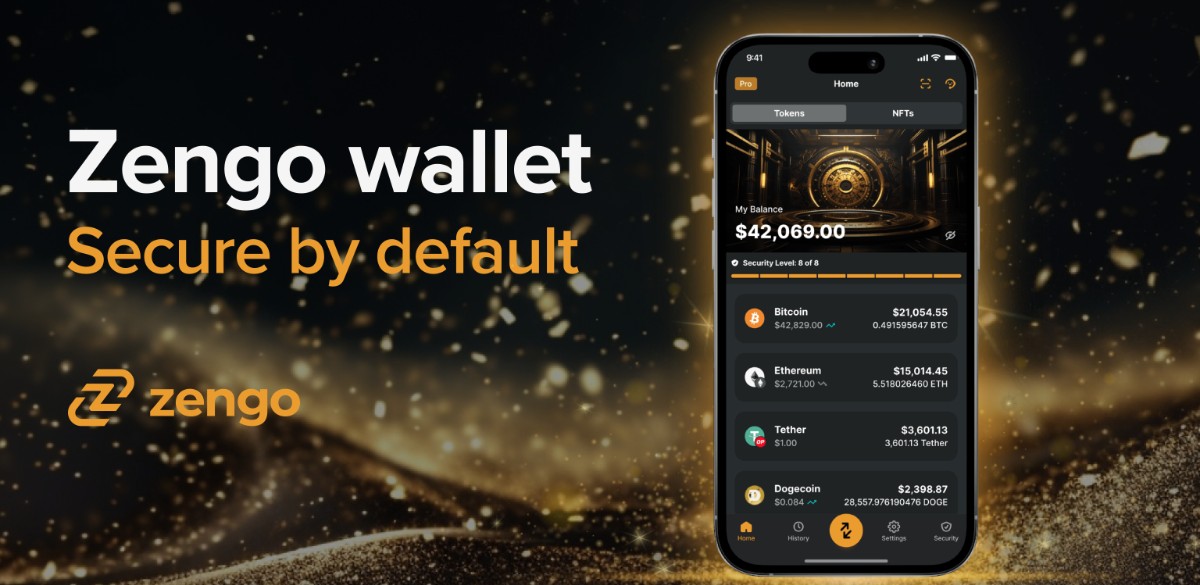
3. ZenGo
Best security experience with no seed phrase
ZenGo uses MPC technology to eliminate seed phrases while maintaining strong self custody. The wallet focuses heavily on security UX and makes it easy for non technical users to back up their keys through secure biometric verification. The interface is clean and does not overwhelm the user with blockchain jargon.
- No seed phrase required during signup
- Biometric based recovery flows
- Simple mobile first design
- Clear warnings before high risk actions
Example UX flow: When recovering an account, the wallet guides the user step by step with plain language and visual checkpoints.
4. OKX Web3 Wallet
Best hybrid wallet for casual users
OKX Web3 Wallet offers both traditional seed phrase mode and modern MPC or passkey based onboarding. This flexibility makes it a strong choice for users who want to grow over time. Beginners can start with simple flows and later move into advanced features like cross chain swaps or multi network NFT management.
- Multiple onboarding options based on user level
- Automatic routing for cross chain swaps
- Browser extension and mobile app with unified design
- Strong support for many networks and Layer 2 solutions
Example UX flow: When performing a swap, the wallet scans available routes and selects the best one automatically which removes the classic problem of being stuck on the wrong network.
5. Argent
Best smart wallet for advanced users who still want simplicity
Argent is one of the first wallets built around account abstraction. It offers features suited for users who want to stay in full control but also want a smooth experience. Argent uses social recovery which removes the stress of storing seed phrases and includes a wide range of automated smart account features.
- Social recovery for secure and simple account restoration
- Gas sponsorship on certain networks
- Action batching to reduce confirmation steps
- Clear explanations for contract interactions
Example UX flow: Approving a swap and sending the final token can happen in a single action instead of multiple separate confirmations.
These five wallets represent the leading edge of crypto UX in 2025. The highest ranked products remove friction, hide complexity and guide users with clear and human friendly interfaces. They make crypto feel approachable which is essential for mainstream adoption.
UX Trends Shaping Crypto Wallets in 2025
Wallet UX has changed more in the last two years than in the entire decade before it. The shift is driven by real user needs. People want simple onboarding, clear instructions and safe interactions without learning technical concepts first. The trends below define how wallets are designed in 2025 and explain why the new generation feels much more accessible than older self custody tools.
Gasless User Flows Become Standard
Gas fees have always been confusing for beginners. Most users do not understand why they need a separate token just to send another token. In 2025, many wallets sponsor gas or batch fees in the background. The result is a smoother onboarding and a flow that resembles a normal app rather than a complex blockchain interface. Users can approve actions without handling separate fee tokens.
Passkeys Replace Seed Phrases
Seed phrases are still supported but they are no longer the default onboarding method. Passkeys offer a safe and convenient login experience that is familiar to anyone who uses iCloud Keychain or Android password managers. This shift removes a major friction point and reduces onboarding time from minutes to seconds. Recovery also becomes less stressful since users can rely on device based authentication.
Chain Abstraction Reduces Network Confusion
One of the most common errors for beginners has been choosing the wrong network when sending or swapping assets. Chain abstraction solves this by removing network selection from the UX. Wallets choose the correct network automatically or route the action across chains without asking the user to switch anything. Balances can also be displayed in a unified view which removes the feeling of having assets scattered across many networks.
Smart Recovery Replaces Manual Backups
In the past, losing a seed phrase meant losing access to funds forever. Smart recovery methods fix this with safer and more user friendly flows. Options include passkey resets, MPC recovery, trusted contacts and multi device approval. These tools reduce the risk of human error and make self custody achievable for users who would never store a seed phrase on paper.
Human Readable Signing Messages
Wallets are now expected to translate complex contract calls into plain language. Instead of showing raw function data, wallets describe what will happen and how assets will move. This significantly reduces the chance of signing malicious approvals and helps users understand the real intent behind each action. Clear signing messages are becoming a central pillar of security UX.
Together, these trends explain why crypto wallets feel different in 2025. They are not only safer but also far more intuitive. The industry is shifting toward a model where users interact with on chain applications naturally without facing the usual obstacles that slowed adoption in previous years.
How Wallet UX Impacts Adoption
Crypto adoption has always been limited by the user experience of the first interaction. A smooth and intuitive wallet can turn a curious visitor into an active user on the same day. A confusing or stressful onboarding flow has the opposite effect. People abandon the process and assume that crypto is too complicated or unsafe. This section explains the direct link between UX and real world adoption by using simple examples that highlight how different wallet designs influence user behavior.
Example 1: A New User Trying Crypto for the First Time
A beginner downloads a traditional seed phrase wallet and is immediately asked to write down words, store them securely and approve several technical prompts. Most people stop here because the process feels risky and unfamiliar. The likelihood of completing the next steps, such as sending tokens or using a dApp, drops significantly.
In contrast, a modern smart wallet lets the same user sign in with a passkey and make a transaction with clear explanations and no manual gas steps. The user feels safe, understands what is happening and quickly reaches the point where crypto becomes useful. This difference in UX often decides whether a newcomer stays in the ecosystem or leaves permanently.
Example 2: A User Moving Assets Across Chains
Cross chain actions were once one of the biggest friction points. Users had to switch networks, buy the right gas token and often ended up sending assets to the wrong chain. Older wallets placed all of this responsibility on the user which increased error rates and reduced confidence.
Modern wallets solve this by routing actions through the correct chain automatically. The wallet detects the asset, selects the right network and completes the transfer with minimal input. The user sees a simple confirmation message instead of a complex sequence of decisions. This reduction in friction increases retention and makes advanced features accessible to non technical users.
Example 3: Recovery After Device Loss
Many users dropped out of crypto entirely after losing access to a device that stored their seed phrase. Traditional recovery methods were intimidating and unforgiving. Once a phrase was lost, funds were often lost as well.
Smart recovery methods change this dynamic. With MPC recovery or passkey resets, users can restore access without navigating a complicated manual process. This alone has a major impact on long term adoption since losing a device no longer means starting from zero or facing irreversible loss.

These examples show that UX is not just a convenience feature. It is a critical factor in driving the growth of on chain apps, wallets and the broader crypto ecosystem. The easier a wallet is to use, the faster users progress from onboarding to actual participation.
Final Verdict
Crypto wallet UX has reached a turning point in 2025. The tools that once required technical knowledge and careful handling now feel simple and familiar thanks to passkeys, MPC recovery, gasless flows and smart account features. The shift toward clean and human friendly interfaces removes many of the barriers that slowed the onboarding of new users in previous years.
Coinbase Smart Wallet and Privy lead the field for beginners. ZenGo offers a strong balance of security and convenience. OKX Web3 Wallet and Argent provide flexible options for users who want more control without dealing with unnecessary friction. All these wallets show how modern UX design can make self custody practical for everyday users.
The next wave of growth in crypto will come from the wallets that continue to simplify interactions, hide technical complexity and guide users with clear and confident instructions. When wallets feel as easy as traditional apps, the path to mainstream adoption becomes much more realistic.
Comments
Log in to post a comment
No comments yet
Be the first to share your thoughts!