



How Provably Fair Algorithms Work in Crypto Casino Games
Provably fair technology has transformed the way players experience crypto casino games, offering users transparency and the ability to directly verify outcomes. By allowing players to independently confirm every result, these algorithms question traditional models of gambling fairness. This article details how provably fair mechanisms operate, where they are applied, and what players should consider.
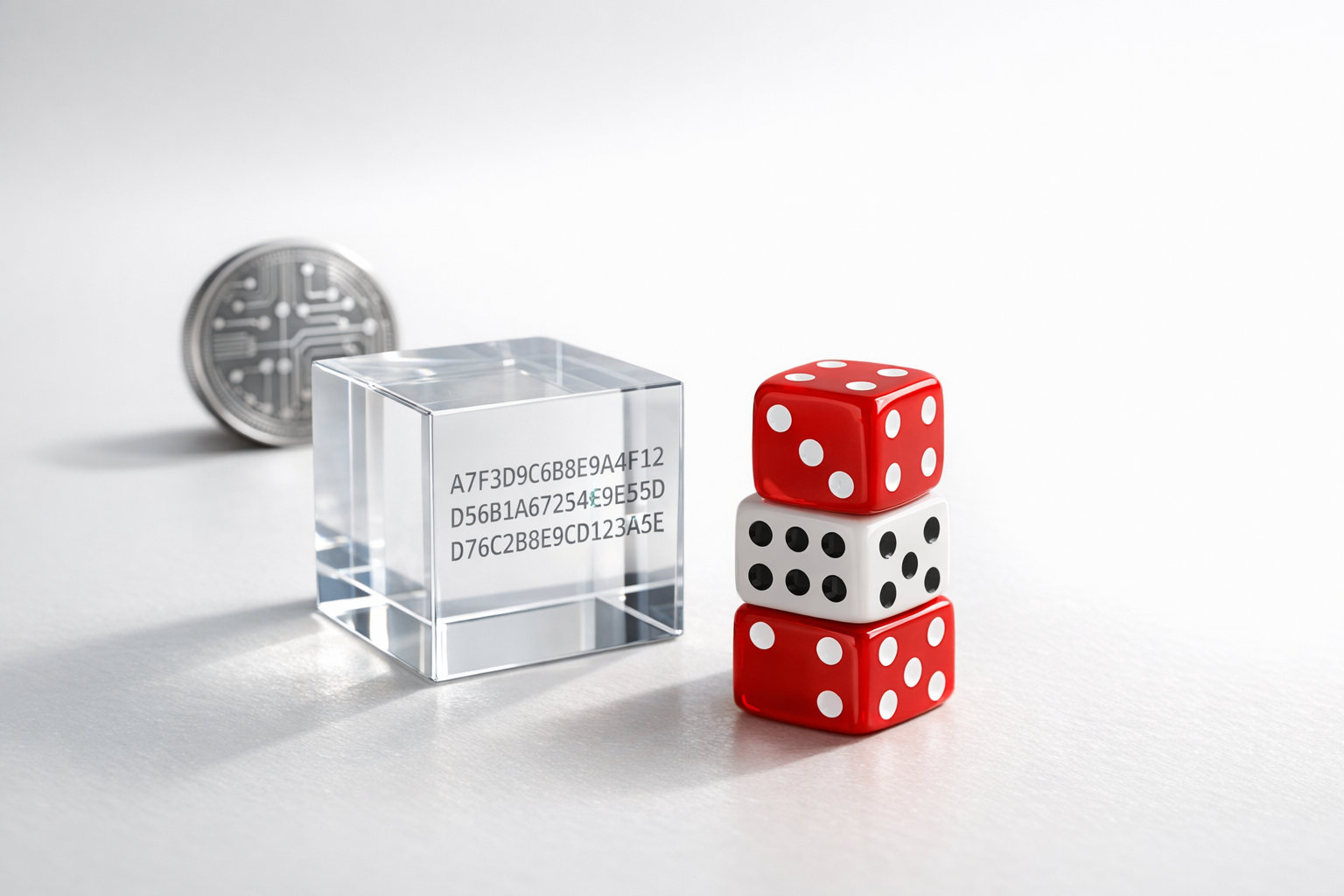
The concept of provably fair has become central to the crypto gambling ecosystem, providing a transparent framework for verifying that games are not manipulated. MetaWin casino, for instance, incorporates provably fair principles into various games, reflecting a broader movement across the industry that prioritizes user trust. Unlike conventional online casinos, which rely heavily on third-party audits and regulatory certification, crypto gaming platforms enable individuals to audit outcomes themselves.
This shift has set new standards for fairness and accountability, making it a topic of growing importance for anyone engaging with digital gambling platforms.
The meaning and significance behind provably fair
At its core, "provably fair" refers to a method in crypto gambling that allows you to independently confirm that each game result was random and unaltered. The central promise extends beyond trusting a provider's software; instead, you receive the tools and information needed to verify integrity in every single round.
Traditional online casinos typically use a random number generator (RNG) approved by external bodies, where your trust depends on their certification and audit processes. By contrast, provably fair algorithms enable direct player involvement, reducing reliance on third parties and increasing transparency in outcome generation.
Main elements and how they build trust for players
Provably fair systems are built on three core components: the server seed, client seed, and a nonce, all of which are inputs in the randomization process. The server seed is generated by the casino before you play and is then encrypted using a one-way hash function to prevent any manipulation after bets are placed.
Your device provides the client seed, which you can often choose or randomize for additional transparency. As games are played, the nonce, a simple counter, increments with each round, creating new combinations each time and ensuring each game's uniqueness.
How outcome verification works from start to finish
The process starts with the casino publishing a hashed version of the server seed, serving as a pre-commitment that is intended to ensure it cannot be changed after you have seen it. As you wager, the server and client seeds are combined via cryptographic formulas to produce results that are both random and reproducible.
Once your gaming session concludes, the casino reveals the original server seed, enabling you to recalculate outcomes using the initial hash and verify fair play. This workflow allows you to spot inconsistencies, since the math involved is open to independent review.
MetaWin Casino offers verification tools so users can perform these checks themselves, which may reduce disputes over outcomes.
Applications, advantages, and key limitations of provably fair
Dice, crash, roulette-inspired titles, and some card games are the most common games to use provably fair algorithms because their mechanics are well suited to open verification. However, some multiplayer card models or server-heavy games pose additional technical challenges, meaning not all outcomes in all games can be independently proven fair.
While provably fair helps establish that outcomes are not rigged, it does not automatically address issues such as hidden house edge settings, unclear interfaces, withdrawal delays, or account restrictions. For this reason, reviewing comprehensive documentation and transparent systems remains important.
For users, a strong provably fair system means more reliable game outcomes, but it should be one of several factors you evaluate when choosing where to play.
***
DISCLAIMER
The views, the opinions and the positions expressed in this article are those of the author alone and do not necessarily represent those of https://www.cryptowisser.com/ or any company or individual affiliated with https://www.cryptowisser.com/. We do not guarantee the accuracy, completeness or validity of any statements made within this article. We accept no liability for any errors, omissions or representations. The copyright of this content belongs to the author. Any liability with regards to infringement of intellectual property rights also remains with them.
Comments
Log in to post a comment
No comments yet
Be the first to share your thoughts!